
The VR Book: Human-Centered Design for Virtual Reality
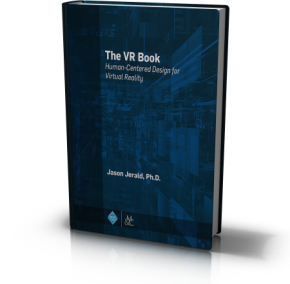 Without a clear understanding of the human side of virtual reality (VR), the experience will always fail. The VR Book: Human-Centered Design for Virtual Reality bridges this gap.
Design for virtual reality is an incredibly complex challenge. When done well, these experiences can be brilliant and pleasurable, but when done badly, they can result in frustration and sickness. Whereas limitations of technology can cause bad VR execution, problems are oftentimes caused by a lack of understanding human perception, interaction, design principles, and real users. This book focuses on the human elements of VR, such as how users perceive and intuitively interact with various forms of reality, causes of VR sickness, creating useful and pleasing content, and how to design and iterate upon effective VR applications.
The VR Book: Human-Centered Design for Virtual Reality is not just for VR designers, it is for managers, programmers, artists, psychologists, engineers, students, educators, and user experience professionals. It is for the entire VR team, as everyone contributing should understand at least the basics of the many aspects of VR design.
The industry is rapidly evolving, and The VR Book stresses the importance of building prototypes, gathering feedback, and using adjustable processes to efficiently iterate towards success. With extensive details on the most important aspects of VR, more than 600 applicable guidelines, and over 300 additional references, The VR Book: Human-Centered Design for Virtual Reality will bring a strong foundation for anyone and everyone involved in creating VR experiences.